It's rarely the new tool that hurts; it's the hidden complexity that piles up after the 5th, 10th, and 20th connection.
'Can we just add one more integration?' is one of those requests that sounds harmless. A new payroll provider. A new POS. A fresh reporting dashboard. It tests fine, launches fine, and for a while everyone moves on. The real problem doesn't show up on go-live day, it shows up months later, when you're trying to change something small and everything feels risky.
'Can we just add one more integration?' is one of those requests that sounds harmless. A new payroll provider. A new POS. A fresh reporting dashboard. It tests fine, launches fine, and for a while everyone moves on. The real problem doesn't show up on go-live day, it shows up months later, when you're trying to change something small and everything feels risky.
The moment your stack stops being 'tools' and becomes 'tangles'
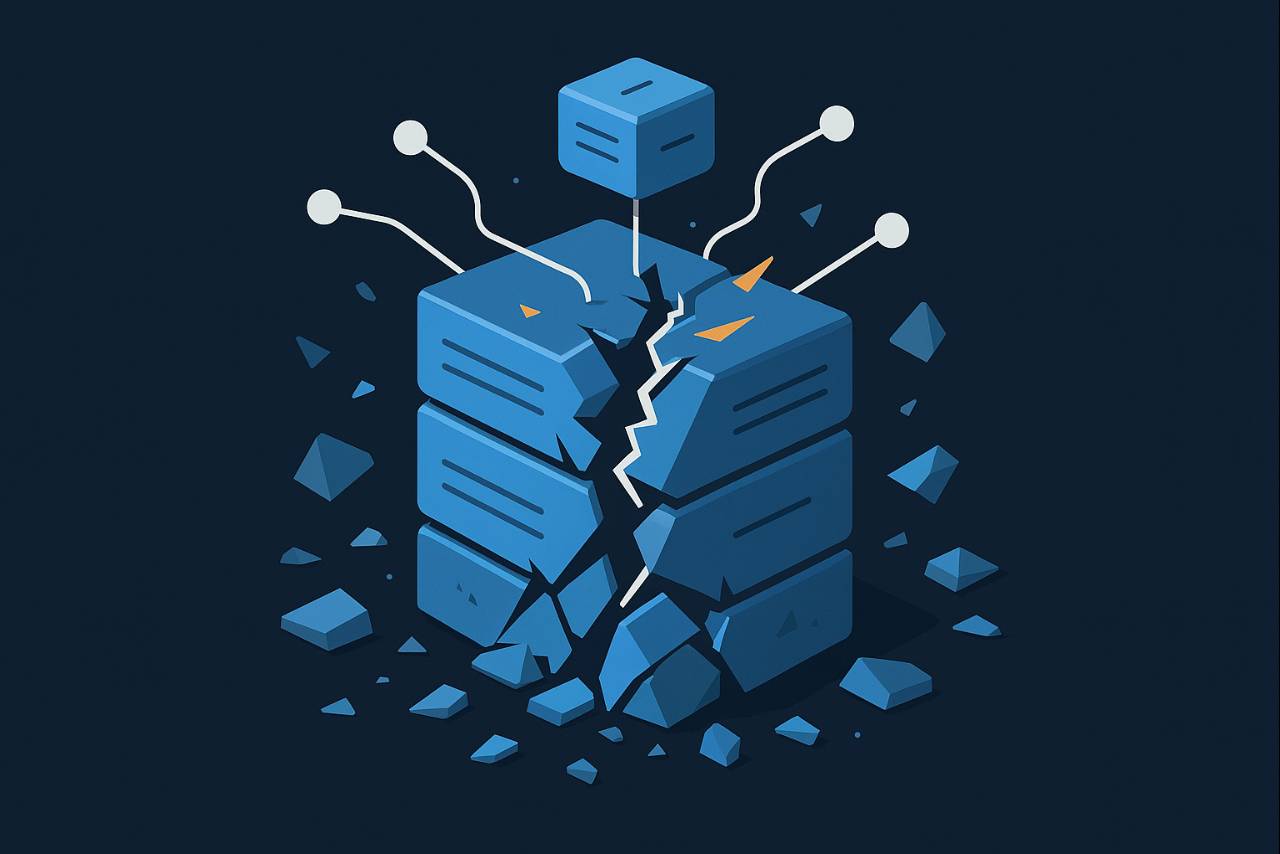
Integration sprawl is what happens when systems get connected onebyone without an architecture that keeps the flow controlled. Instead of data moving through a clear path, every system starts talking directly to several others. Nothing looks broken at first until the connections multiply, rules differ by system, dependencies get fuzzy, and your stack turns fragile under the surface.
A helpful way to picture it- imagine building roads for a growing city, but skipping traffic rules. Cars can still move until congestion and accidents become the norm.
A helpful way to picture it- imagine building roads for a growing city, but skipping traffic rules. Cars can still move until congestion and accidents become the norm.
Why 'just one more' is never just one
1) Data starts to drift
Every system has its own definition of "correct" data. Field names don't match. Formats differ. One tool updates in real time, another batches overnight, and a third rejects records when a single field is missing. To keep the lights on, teams add transformations and exception logic, fixes that almost never get removed. Over time, you stop trusting the data because you've seen it disagree across systems.
2) Troubleshooting turns into archaeology
When something goes wrong in a point-to-point world, the first question isn't "what broke?" - it's "where do we even look?" Was the payload wrong? Did the mapping change? Was it timing? With logs scattered across vendors and custom scripts, finding root cause takes longer and longer, even for small issues. Modern integration layers reduce that guesswork with centralized monitoring, alerting, and a single place to trace failures (a challenge we cover in Top 5 Challenges of Software Integration) so teams can fix issues without digging through five dashboards and a folder of scripts.
3) Small changes carry big risk
Add a field. Update an API version. Tighten validation. In a clean integration design, these are routine changes. In a sprawling setup, that same tweak can break multiple workflows, trigger manual reprocessing, and delay payroll or reporting. Eventually, teams avoid changes because the blast radius feels unpredictable and that's when progress slows.
Every system has its own definition of "correct" data. Field names don't match. Formats differ. One tool updates in real time, another batches overnight, and a third rejects records when a single field is missing. To keep the lights on, teams add transformations and exception logic, fixes that almost never get removed. Over time, you stop trusting the data because you've seen it disagree across systems.
2) Troubleshooting turns into archaeology
When something goes wrong in a point-to-point world, the first question isn't "what broke?" - it's "where do we even look?" Was the payload wrong? Did the mapping change? Was it timing? With logs scattered across vendors and custom scripts, finding root cause takes longer and longer, even for small issues. Modern integration layers reduce that guesswork with centralized monitoring, alerting, and a single place to trace failures (a challenge we cover in Top 5 Challenges of Software Integration) so teams can fix issues without digging through five dashboards and a folder of scripts.
3) Small changes carry big risk
Add a field. Update an API version. Tighten validation. In a clean integration design, these are routine changes. In a sprawling setup, that same tweak can break multiple workflows, trigger manual reprocessing, and delay payroll or reporting. Eventually, teams avoid changes because the blast radius feels unpredictable and that's when progress slows.
How technical debt sneaks in (without anyone making a 'bad' decision)
Technical debt in integrations usually comes from fast decisions- hardcoded rules to satisfy one system, oneoff scripts for one client, special cases nobody documents, and a growing dependence on tribal knowledge. Everything still works until the stack grows or a key vendor change something. Then even small fixes take longer and carry more risk.
A quick selfcheck- is your stack already feeling it?
If you recognize the patterns below, it's not a "people problem." It's structural-
- The same data looks different depending on which system you open.
- New integrations take longer than they should, even when the vendor swears it's 'standard'.
- Teams keep spreadsheets around to verify reports or reconcile totals.
- Support tickets spike after routine changes and only a few people understand the real data flow.
Streamline Your Inventory. Order Smartly.
Start Simplifying Your Orders with Any Connector
The alternative- a centralized integration layer
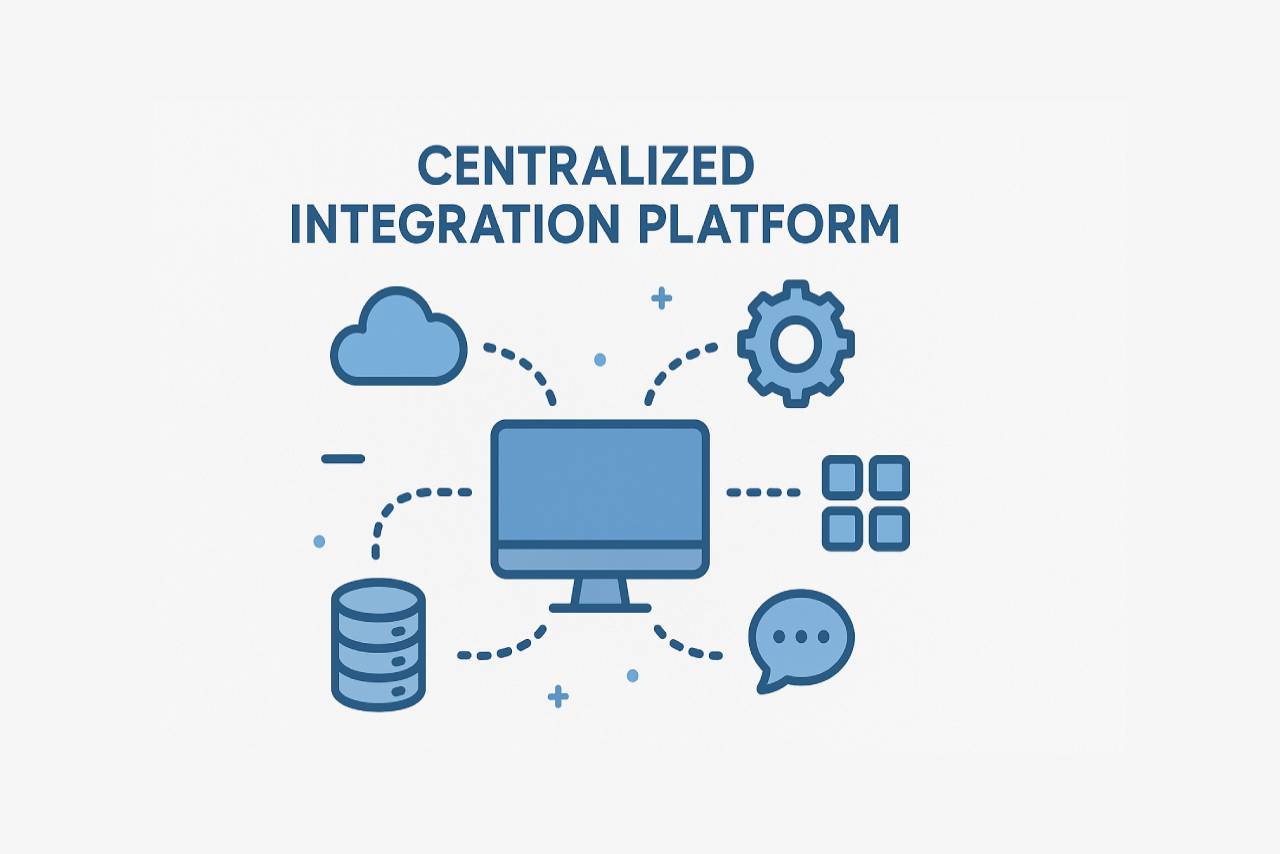
Scalable stacks don't eliminate integrations; they control them. With a centralized integration layer, you standardize data once, apply validation rules consistently, and monitor errors in one place. Most importantly, systems are insulated from each other's changes. You can add new tools without destabilizing what already works.
If you're looking for a simple explanation of what an integration platform changes daytoday, this overview is a good starting point- How Integration Platforms Are Revolutionizing Business Technology.
And if your biggest pain is fragmented reporting and mismatched numbers, here's a deeper read on eliminating silos and getting realtime visibility- Breaking Down Data Silos- The First Step Toward Real-Time Visibility.
If you're looking for a simple explanation of what an integration platform changes daytoday, this overview is a good starting point- How Integration Platforms Are Revolutionizing Business Technology.
And if your biggest pain is fragmented reporting and mismatched numbers, here's a deeper read on eliminating silos and getting realtime visibility- Breaking Down Data Silos- The First Step Toward Real-Time Visibility.
Pointtopoint vs. centralized- the difference you feel daytoday
This isn't just an architectural preference. It changes how safe it feels to operate and improve your systems.
Quick comparison
Quick comparison
| Area | Point-to-Point Integrations | Centralized Integration Layer |
| Adding a new system | Impacts multiple existing integrations | Connects once through a shared layer |
| Data consistency | Varies by system and workflow | Standardized across systems |
| Error visibility | Logs spread across vendors and scripts | Centralized monitoring and alerts |
| Change management | Small changes create ripple effects | Changes are isolated and predictable |
| Support effort | High investigation and manual fixes | Faster diagnosis and resolution |
| Scalability | Complexity grows exponentially | Complexity stays controlled |
Final thought
Adding one more integration rarely breaks a stack overnight. What it does is introduce hidden dependencies that surface later when you scale locations, swap vendors, expand channels, or simply try to move faster. The strongest tech stacks aren't defined by how many tools they use. They're defined by how cleanly those tools are connected.
If your team is spending more time reconciling, troubleshooting, and avoiding changes than improving operations, it may be time to centralize the way your systems connect and keep 'one more integration' from becoming the thing that slows everything down.
If your team is spending more time reconciling, troubleshooting, and avoiding changes than improving operations, it may be time to centralize the way your systems connect and keep 'one more integration' from becoming the thing that slows everything down.
Ready to stop integration sprawl?
If you're adding systems faster than you can control them, a centralized integration layer can standardize data, reduce errors, and keep changes predictable. Talk to Any Connector about your integration roadmap.
Recommended
integrated-platforms

integrated-platforms
Automation in Hospitality- Transforming Guest Experiences and

integrated-platforms

integrated-platforms

integrated-platforms

integrated-platforms

integrated-platforms
integrated-platforms

integrated-platforms
integrated-platforms
integrated-platforms

integrated-platforms

integrated-platforms
integrated-platforms

integrated-platforms

integrated-platforms
integrated-platforms
integrated-platforms
integrated-platforms
integrated-platforms
integrated-platforms
integrated-platforms

integrated-platforms
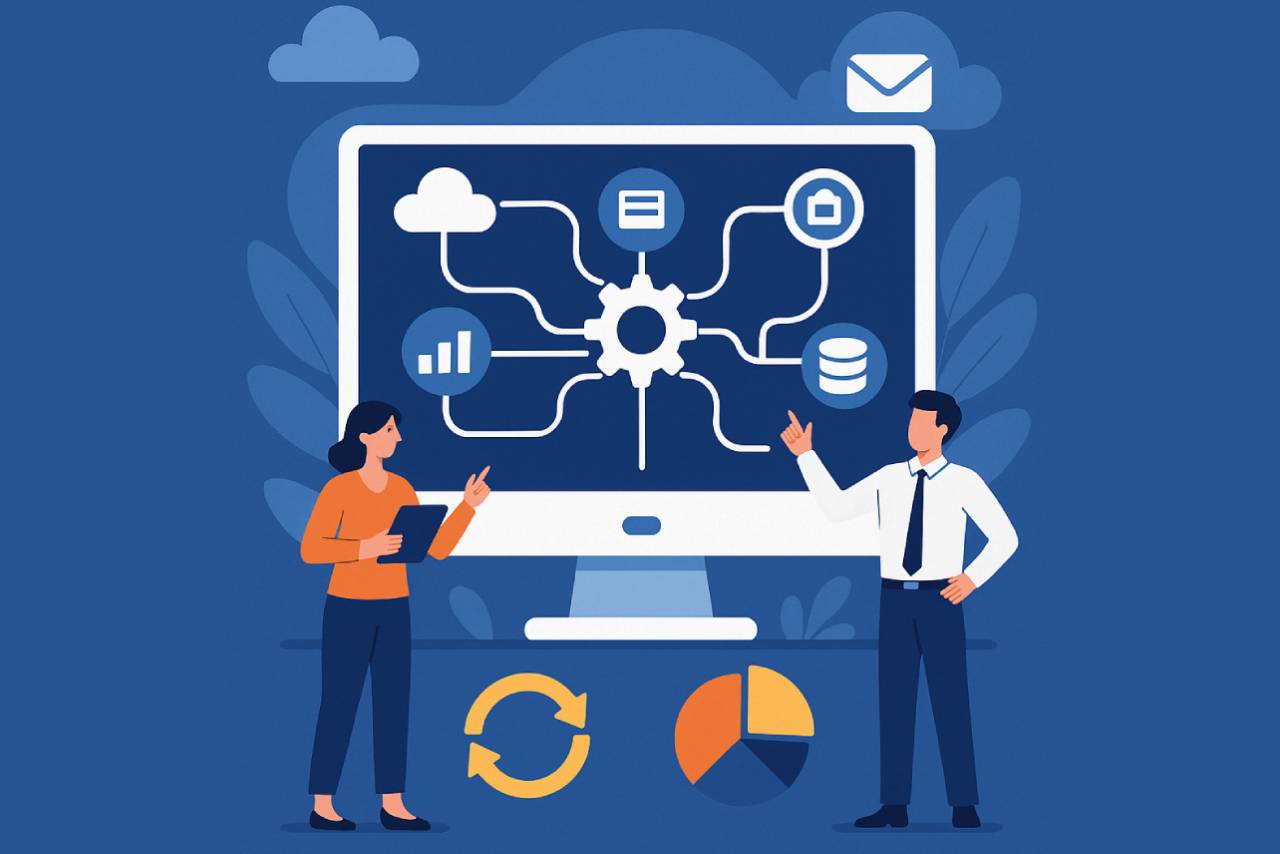
How Integration Platforms Are Revolutionizing Business Technology
integrated-platforms
integrated-platforms
integrated-platforms
integrated-platforms
integrated-platforms
Overcoming API Documentation Challenges- How Middleware Bridges
integrated-platforms
integrated-platforms
integrated-platforms
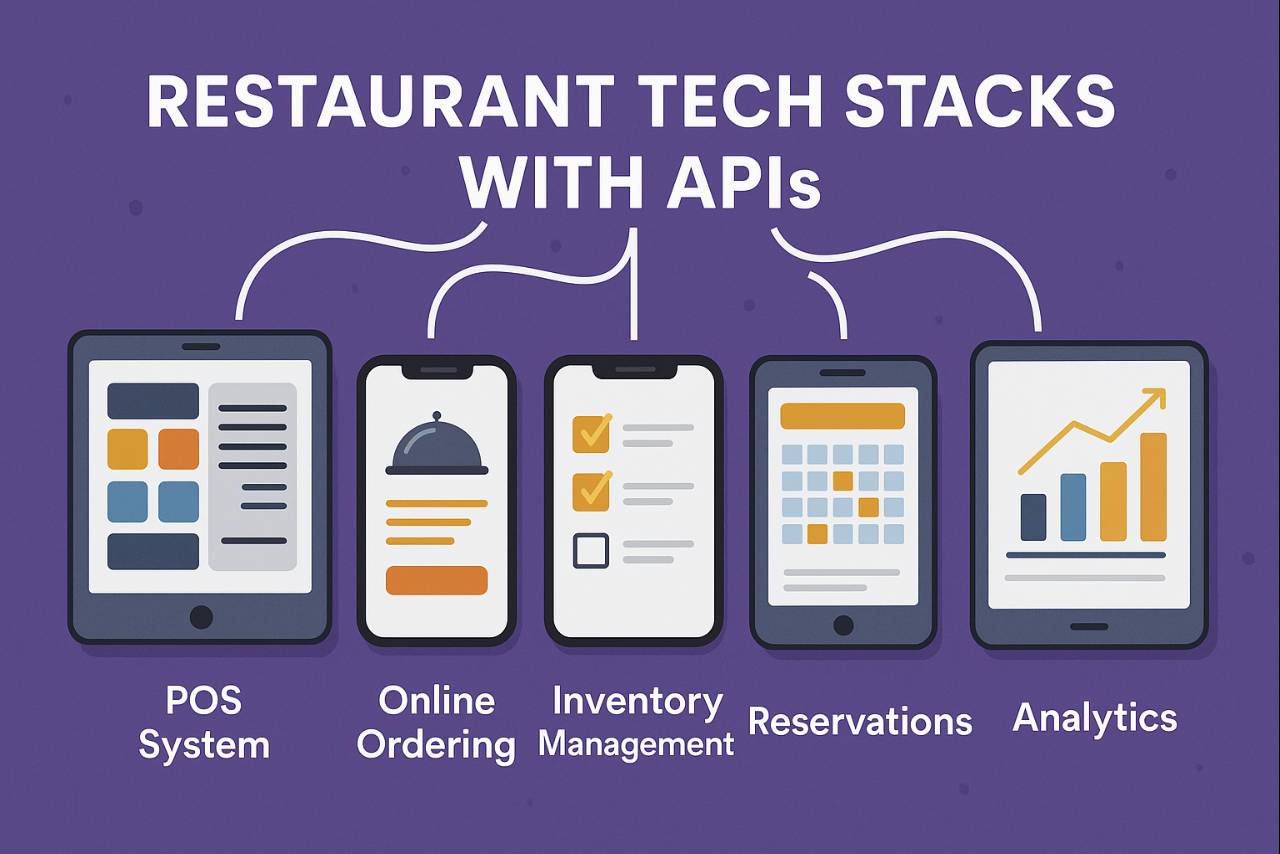
Composable Architecture- Building Modular Restaurant Tech Stacks
integrated-platforms
integrated-platforms
Low-Code/No-Code API Integration for Non-Tech Restaurant Teams

integrated-platforms
integrated-platforms
integrated-platforms
integrated-platforms

integrated-platforms

integrated-platforms

integrated-platforms

integrated-platforms

integrated-platforms
integrated-platforms
integrated-platforms

integrated-platforms

integrated-platforms

integrated-platforms
integrated-platforms
integrated-platforms

integrated-platforms
integrated-platforms

integrated-platforms
integrated-platforms

integrated-platforms

integrated-platforms
integrated-platforms
integrated-platforms
integrated-platforms
integrated-platforms
integrated-platforms

integrated-platforms

integrated-platforms
integrated-platforms
integrated-platforms
integrated-platforms
integrated-platforms
integrated-platforms
From Point-to-Point to Platform-Led Integrations- Why Growing
integrated-platforms
integrated-platforms