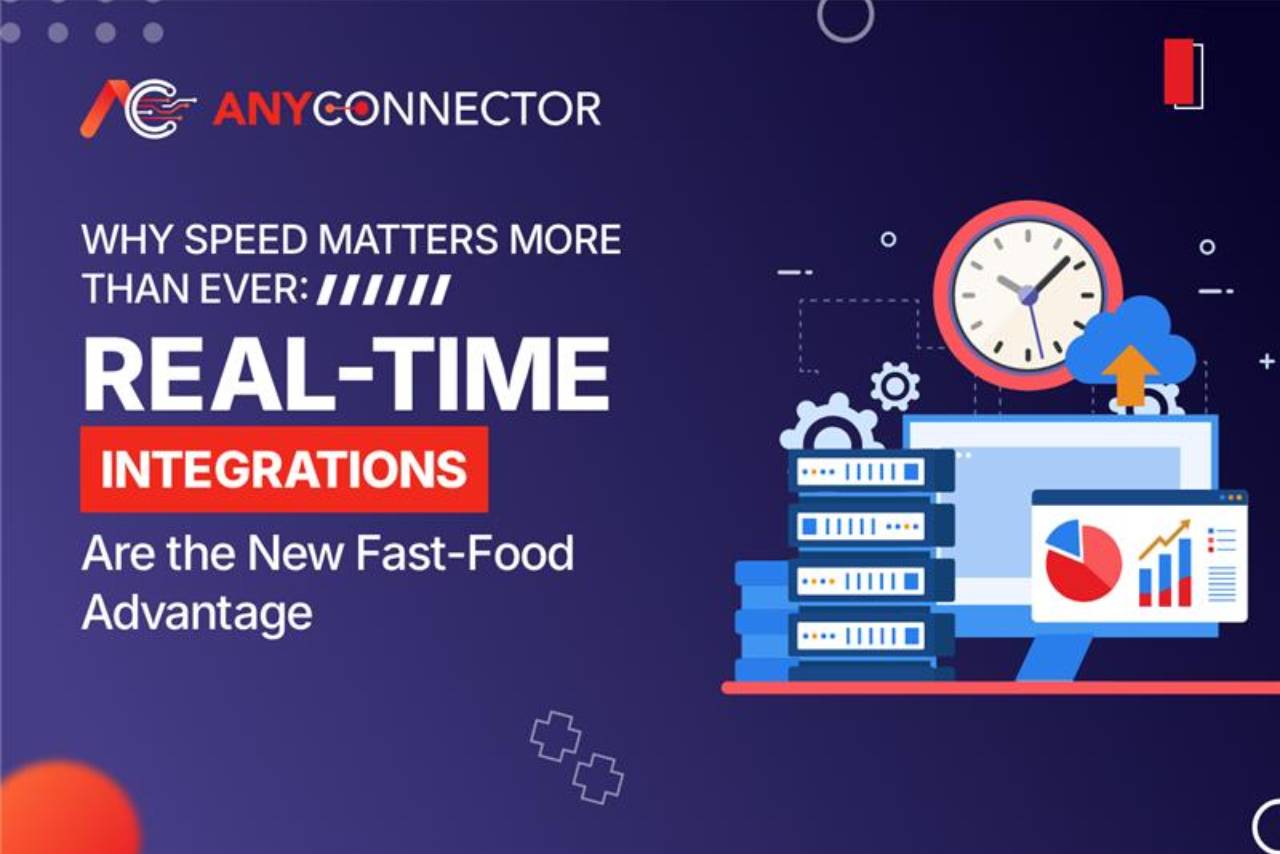
Realtime where it matters. Batch where it counts. Here's how to design integrations that keep operations fast, accurate, and scalable-without overloading your systems.
When data flows at the right moment, operations feel effortless-menus stay accurate, customers get instant confirmations, payroll runs without exceptions, and reports agree without detective work. When timing is off, the same stack creates friction you can see-and costs you can't ignore.
When data flows at the right moment, operations feel effortless-menus stay accurate, customers get instant confirmations, payroll runs without exceptions, and reports agree without detective work. When timing is off, the same stack creates friction you can see-and costs you can't ignore.
Why 'right time' beats 'real time'
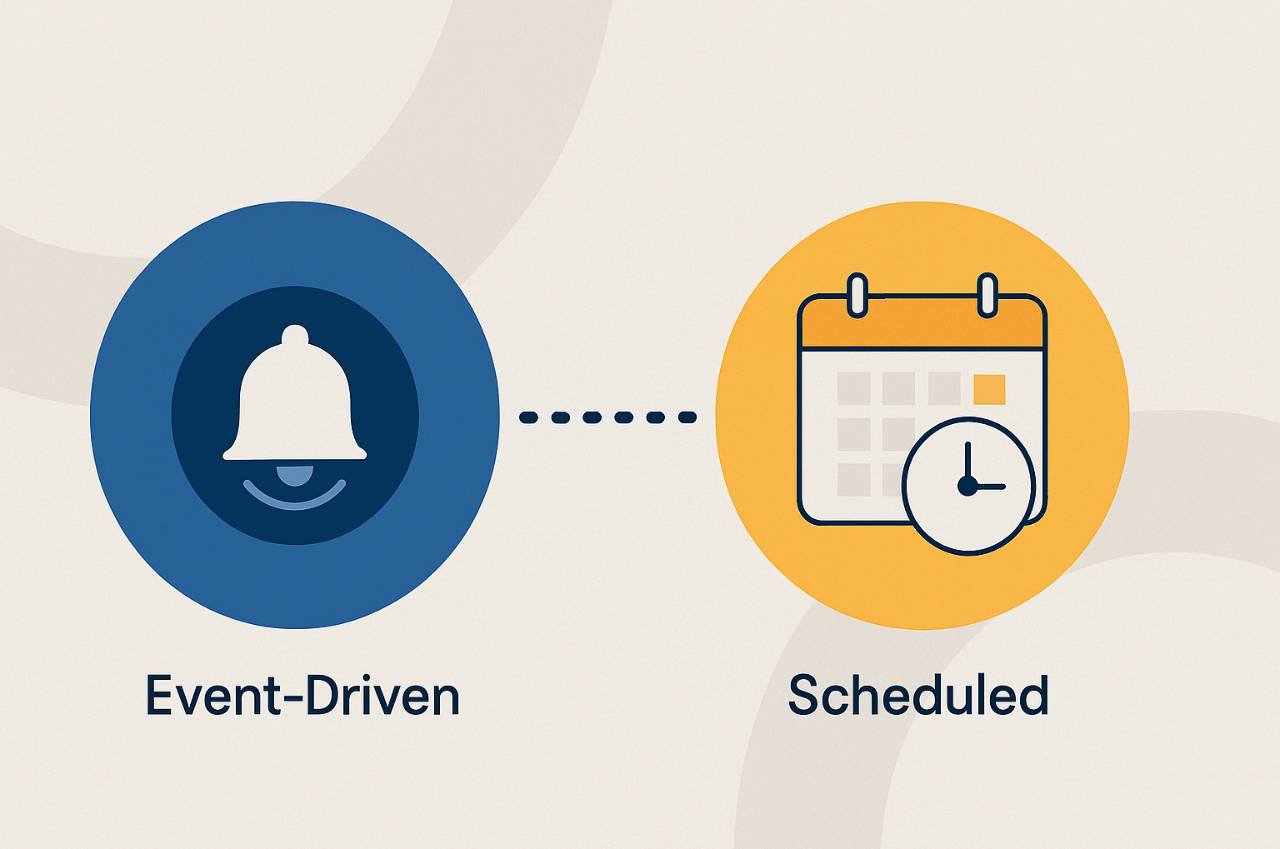
Not every workflow needs instant updates. Some moments-like publishing a menu change or confirming an online order-benefit from eventdriven speed. Others-like payroll exports, accounting reconciliations, or nightly KPIs-work best on a predictable schedule with complete data. The goal isn't to force everything into one model; it's to match the data movement to the job.
How eventdriven integrations work (and when to use them)
Eventdriven integrations trigger the moment something meaningful happens-a sale posts in the POS, an employee clocks in, a loyalty action fires. By reacting to events instead of waiting for a window, downstream systems stay synchronized and teams can act on fresh information. Use this for guestfacing experiences, inventory accuracy after a sale, and any workflow where immediacy preserves revenue or trust.
Why scheduled still matters
Scheduled (batch) workflows aggregate and process data at defined intervals. They shine when you need completeness and control-think payroll runs after the period is closed, hourly or nightly financial updates, and reporting jobs that shouldn't compete with peakhour activity. The result is stability, predictability, and a lighter load on operational systems.
Pro tip- Designing integrations is less about speed-and more about choosing the right timing for each workflow.
Pro tip- Designing integrations is less about speed-and more about choosing the right timing for each workflow.
Avoid the false choice- blend both models
Many teams try to run everything in real time (and strain systems) or batch everything (and accept delays). The most resilient stacks combine both- immediate events for guestcritical actions and scheduled jobs for heavy, closedperiod work. If you've ever felt the pain of adding "just one more" direct connection and watching complexity snowball, you're not alone-there's a better pattern. See Why One More Integration Quietly Breaks Your Tech Stack for a concise breakdown of integration sprawl and why it creeps up unnoticed.
Streamline Your Inventory. Order Smartly.
Start Simplifying Your Orders with Any Connector
How Any Connector supports both approaches
Any Connector lets each workflow run the way it should- eventdriven triggers for realtime sync and scheduled runs for batch processing-all orchestrated in one platform. That platformled model replaces fragile pointtopoint links with a centralized integration layer that standardizes mappings, monitors flows, and absorbs change without rewrites. Learn more in From PointtoPoint to PlatformLed Integrations.
What this looks like day to day
- Menu or price updates propagate across channels quickly, preventing mismatches at checkout.
- Sales events update inventory immediately, while financial summaries post on a controlled cadence.
- Time punches stream in during the shift, but payroll processes only after the period closes.
- Reports align because definitions and transformations live in one place.
A quick implementation checklist
- Map your workflows to timing requirements- instant, nearrealtime, or scheduled.
- Define system load guardrails (batch windows, concurrency, retries).
- Centralize transformations and monitoring in your integration layer.
- Start with one or two highimpact, eventdriven wins; move heavy jobs to a schedule.
- Document data ownership and closeperiod rules so teams know when data is final.
The outcome- speed where it matters, stability where it counts
When integration timing mirrors how your business actually operates, systems feel coordinated instead of chaotic. Teams trust the numbers, managers stop reconciling, and adding a new tool doesn't mean rebuilding everything around it. That's the promise of righttime integrations-and it's how you grow without the grind.
Recommended
integrated-platforms

integrated-platforms
Automation in Hospitality- Transforming Guest Experiences and

integrated-platforms

integrated-platforms

integrated-platforms

integrated-platforms

integrated-platforms
integrated-platforms

integrated-platforms

integrated-platforms
integrated-platforms

integrated-platforms

integrated-platforms
integrated-platforms

integrated-platforms
integrated-platforms
integrated-platforms
integrated-platforms
integrated-platforms

integrated-platforms
integrated-platforms
integrated-platforms
integrated-platforms
How Integration Platforms Are Revolutionizing Business Technology
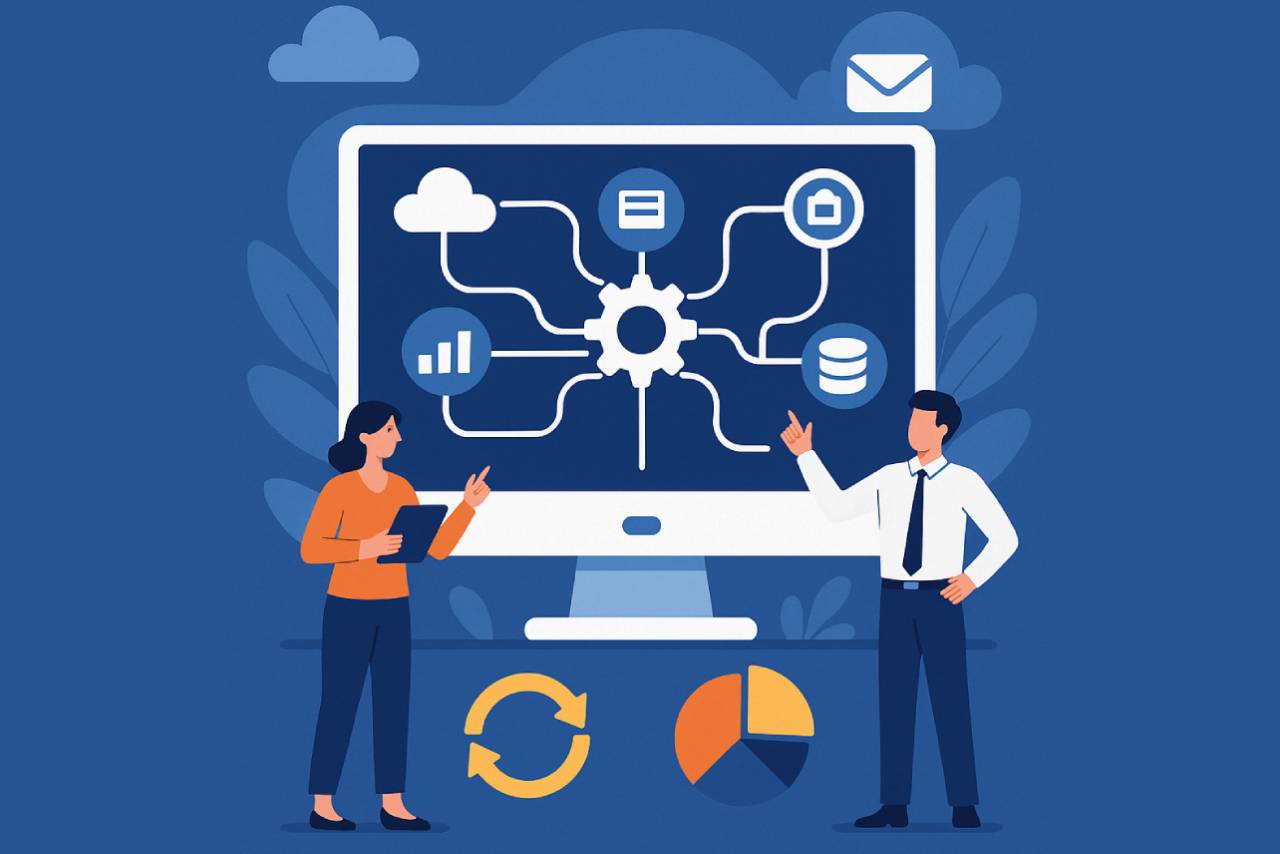
integrated-platforms
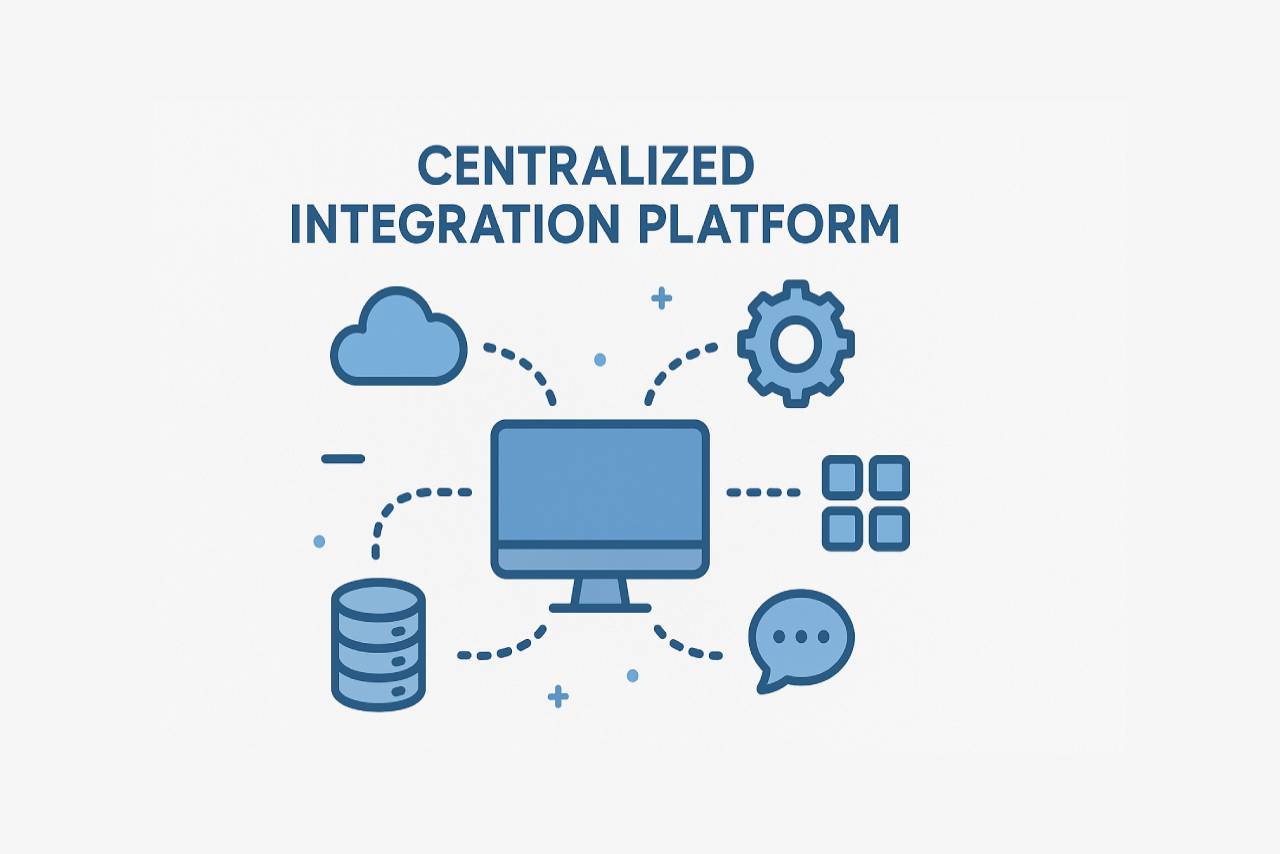
integrated-platforms
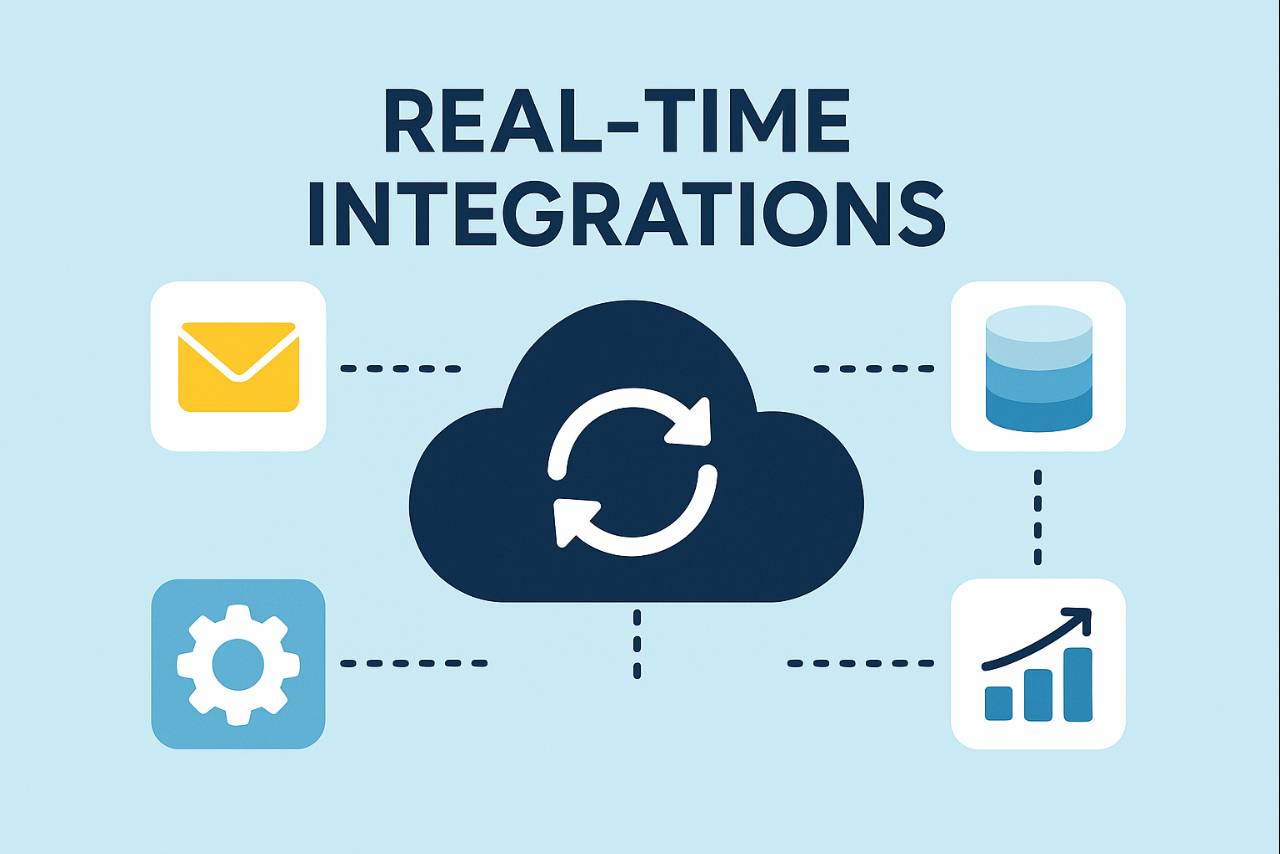
integrated-platforms
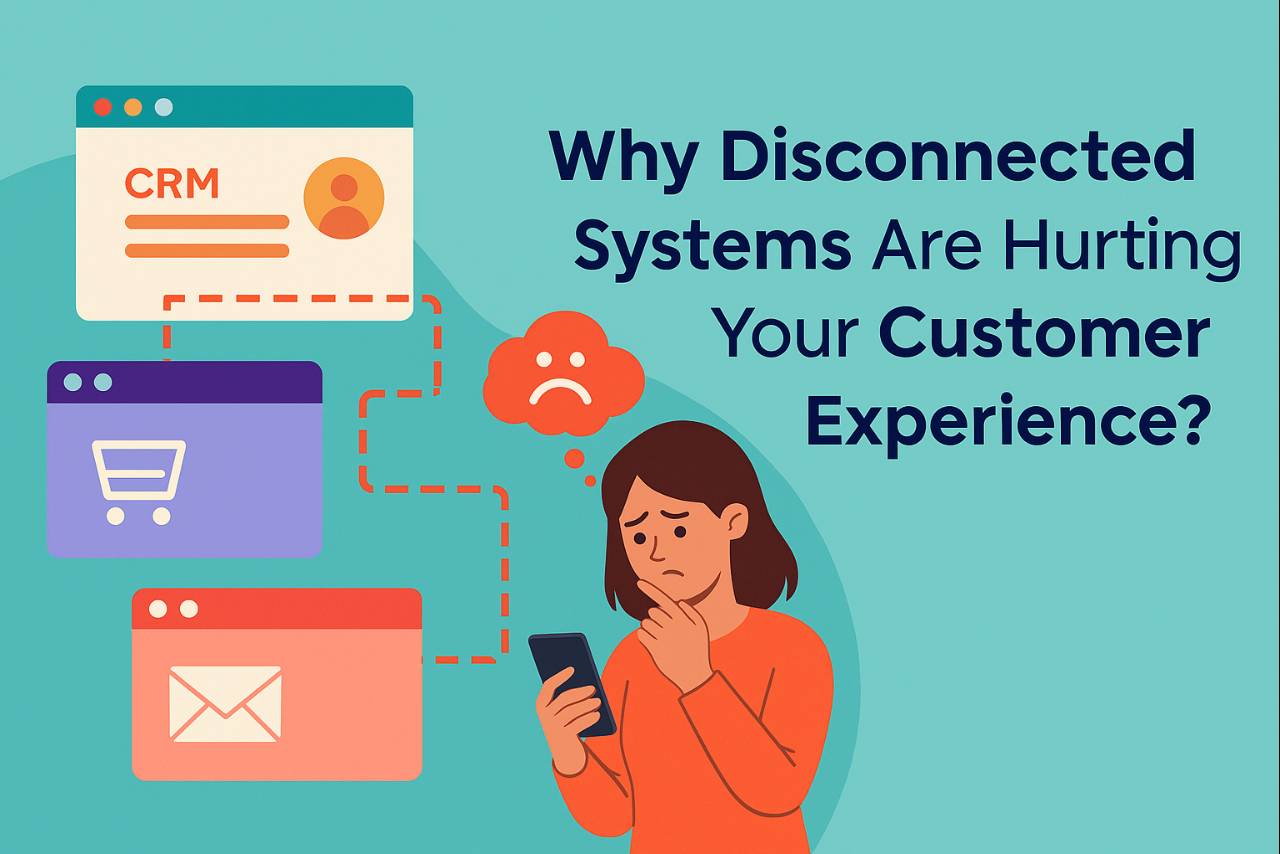
integrated-platforms
integrated-platforms
Overcoming API Documentation Challenges- How Middleware Bridges
integrated-platforms
integrated-platforms
integrated-platforms
Composable Architecture- Building Modular Restaurant Tech Stacks
integrated-platforms
integrated-platforms
Low-Code/No-Code API Integration for Non-Tech Restaurant Teams

integrated-platforms
integrated-platforms
integrated-platforms
integrated-platforms
integrated-platforms

integrated-platforms

integrated-platforms
integrated-platforms
integrated-platforms
integrated-platforms
integrated-platforms

integrated-platforms

integrated-platforms

integrated-platforms
integrated-platforms
integrated-platforms

integrated-platforms
integrated-platforms

integrated-platforms
integrated-platforms

integrated-platforms

integrated-platforms
integrated-platforms
integrated-platforms
integrated-platforms
integrated-platforms
integrated-platforms
integrated-platforms
integrated-platforms
integrated-platforms
integrated-platforms
integrated-platforms
integrated-platforms
integrated-platforms
From Point-to-Point to Platform-Led Integrations- Why Growing
integrated-platforms
integrated-platforms