Why integration-first thinking is replacing tool overload (and how to get ahead of the shift).
Picture a typical day at a modern restaurant- sales flowing through the POS, orders arriving from delivery apps, inventory shifting in the background, schedules changing, payroll approaching, and accounting waiting for clean numbers. On the surface, it looks like a well-equipped operation. Under the hood, many brands are running a quiet relay race-passing the same data from system to system by hand.
That's the paradox of restaurant technology today- the industry has never had more tools, yet operational friction persists. The reason isn't a lack of software. It's the gap between software-data silos, mismatched reports, and workflows that break the moment a single system falls out of sync.
Picture a typical day at a modern restaurant- sales flowing through the POS, orders arriving from delivery apps, inventory shifting in the background, schedules changing, payroll approaching, and accounting waiting for clean numbers. On the surface, it looks like a well-equipped operation. Under the hood, many brands are running a quiet relay race-passing the same data from system to system by hand.
That's the paradox of restaurant technology today- the industry has never had more tools, yet operational friction persists. The reason isn't a lack of software. It's the gap between software-data silos, mismatched reports, and workflows that break the moment a single system falls out of sync.
The real problem- it's not adoption-it's connection
Restaurants adopted technology to solve individual problems- POS for sales, payroll for people, inventory for food costs, and accounting for reporting. That application-first approach worked when systems were few and operations were simple. But today's stacks are bigger, faster, and more interconnected-multi-location operations, franchise models, third party delivery, and stricter compliance are now the norm.
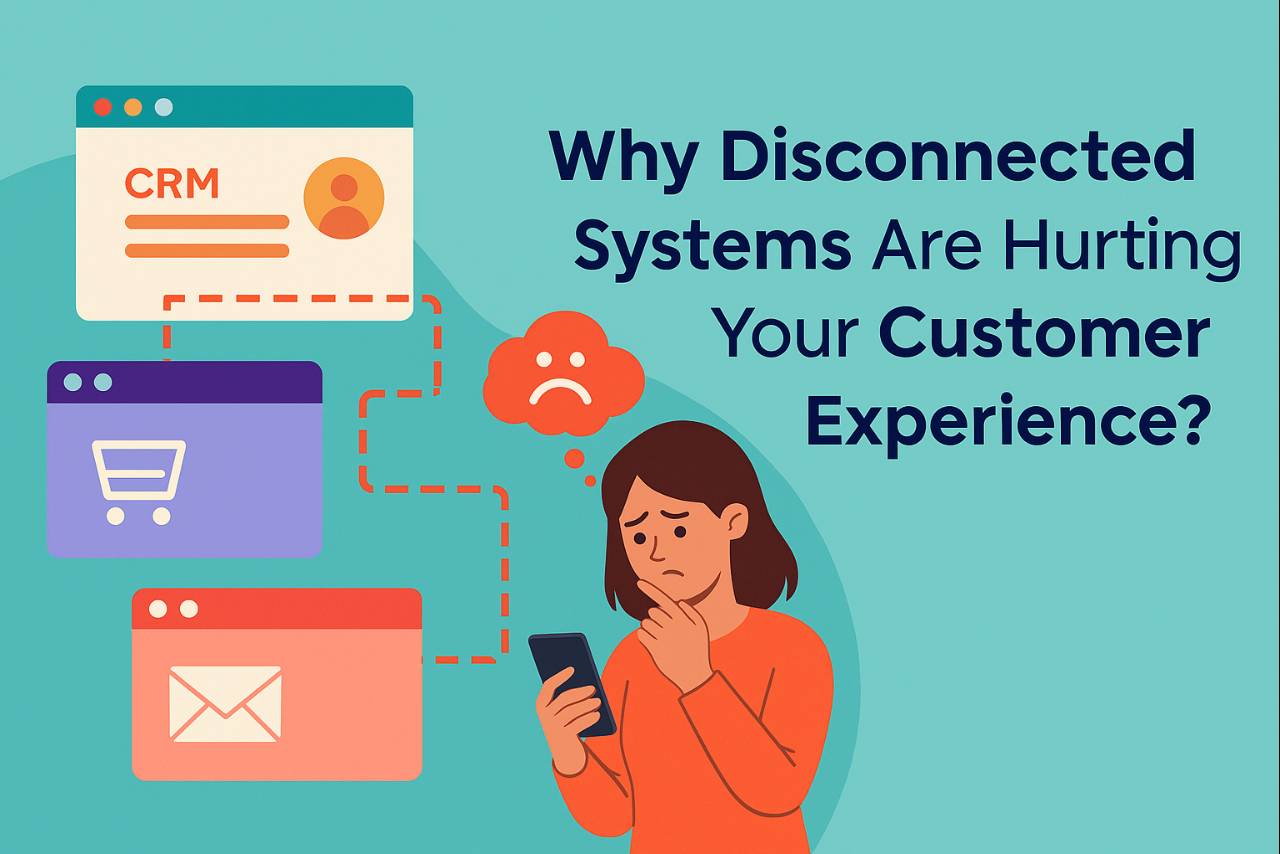
When those applications don't communicate, the damage isn't just technical-it becomes operational. Teams end up doing manual reconciliation, waiting on delayed payroll and labor reports, fighting inconsistent location reporting, and losing visibility into inventory and vendor performance.
"The problem isn't technology adoption. The problem is how technology is connected."
When those applications don't communicate, the damage isn't just technical-it becomes operational. Teams end up doing manual reconciliation, waiting on delayed payroll and labor reports, fighting inconsistent location reporting, and losing visibility into inventory and vendor performance.
"The problem isn't technology adoption. The problem is how technology is connected."
Why ecosystems are replacing "one more tool" thinking
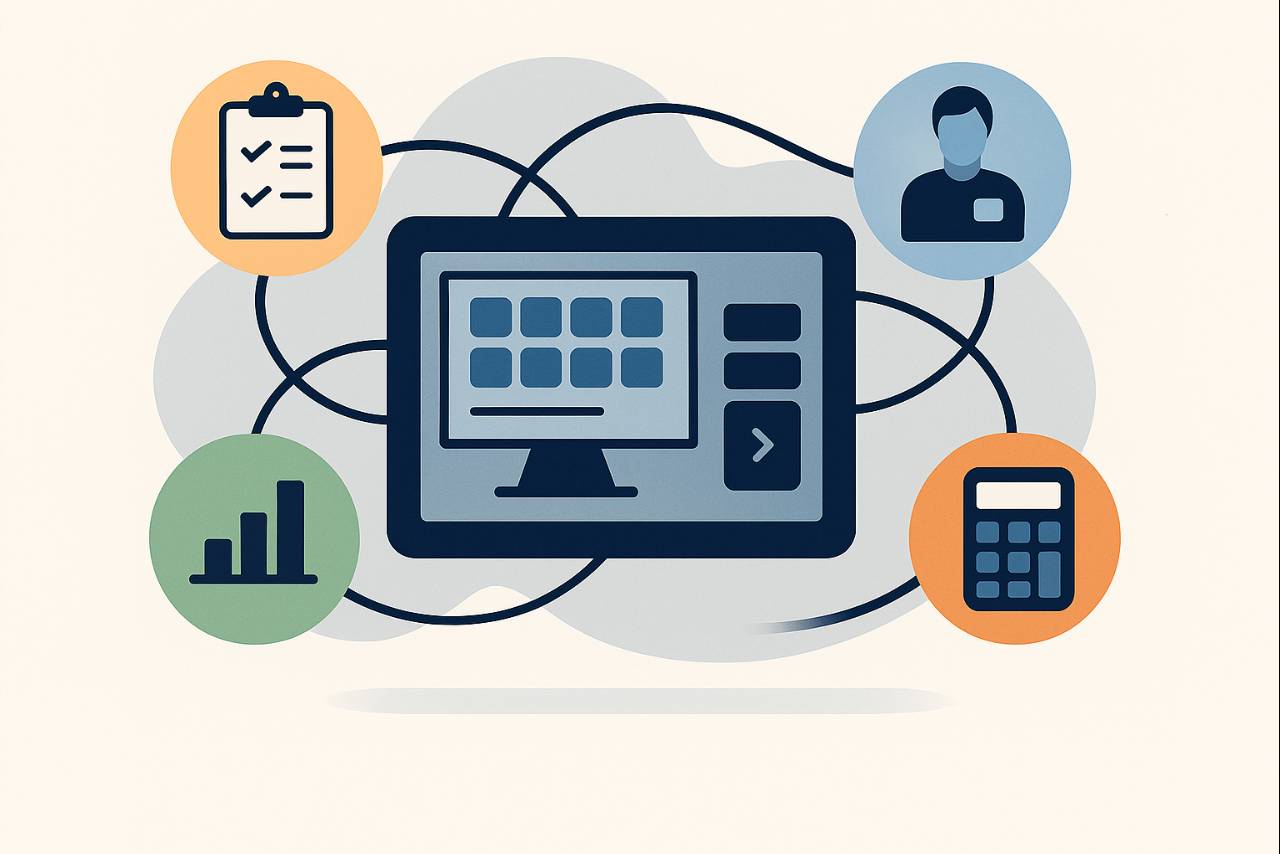
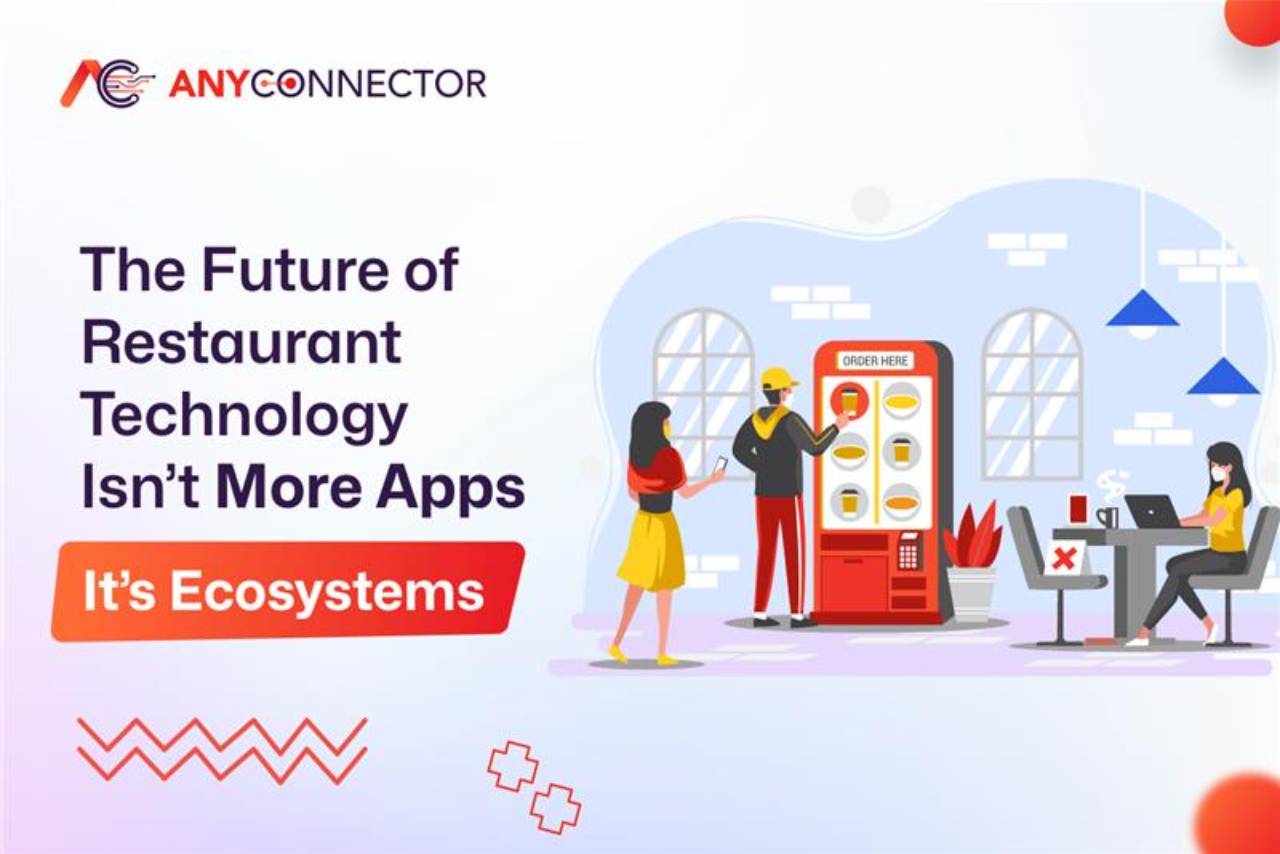
The next phase of restaurant tech isn't about adding applications. It's about building an ecosystem- a connected environment where data flows between systems automatically and in real time. In an ecosystem model, the POS doesn't just capture sales; it triggers inventory updates, payroll calculations, accounting entries, loyalty events, and reporting-without someone exporting a CSV at the end of the night.
Any Connector describes this shift as a 'tech stack glowup'-not because brands throw everything away, but because they stop forcing disconnected tools to behave like a single platform. Instead, they connect what they already use into one synchronized engine.
Related reading- The Restaurant Tech Stack GlowUp
Any Connector describes this shift as a 'tech stack glowup'-not because brands throw everything away, but because they stop forcing disconnected tools to behave like a single platform. Instead, they connect what they already use into one synchronized engine.
Related reading- The Restaurant Tech Stack GlowUp
The "snowball effect" you feel every week (even if you don't call it)
Most operational chaos doesn't start as chaos. It starts as something small-one price change that updates in the POS but not in a delivery channel, or a punch that shows up in timekeeping but doesn't reach payroll. Someone patches it manually. Then again. Then again.
That's what Any Connector calls the Integration Snowball Effect- one broken workflow that quietly creates dozens of downstream fixes across ordering, inventory, labor, accounting, and reporting. Over time, teams normalize firefighting-and trust in the data erodes.
Related reading- The Integration Snowball Effect
That's what Any Connector calls the Integration Snowball Effect- one broken workflow that quietly creates dozens of downstream fixes across ordering, inventory, labor, accounting, and reporting. Over time, teams normalize firefighting-and trust in the data erodes.
Related reading- The Integration Snowball Effect
Meet the new MVP- your API layer
Here's the simplest way to understand an ecosystem- your restaurant needs a digital translator that works across every department, every location, and every tool-without calling IT every time a vendor changes an endpoint. In practice, that translator is your integration layer (your API layer).
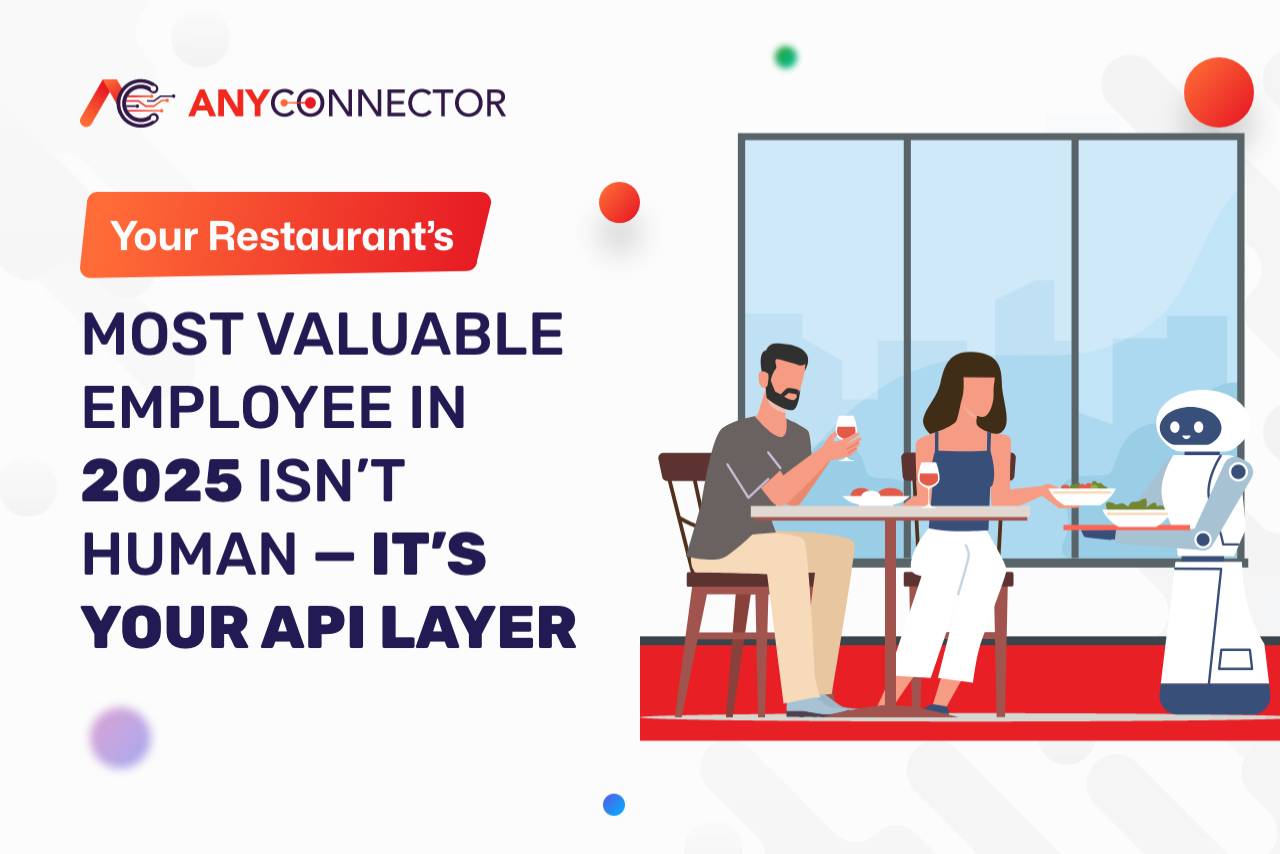
When the API layer is strong, everything feels smooth- menu updates propagate, loyalty applies correctly, inventory stays accurate, and payroll runs without surprises. When it's weak or missing, everything feels broken. That's why Any Connector frames the API layer as a restaurant's most valuable 'employee'-a 24/7 worker that never mistypes, never forgets, and scales instantly when volume spikes.
Related reading- Your Restaurant's Most Valuable Employee- The API Layer
When the API layer is strong, everything feels smooth- menu updates propagate, loyalty applies correctly, inventory stays accurate, and payroll runs without surprises. When it's weak or missing, everything feels broken. That's why Any Connector frames the API layer as a restaurant's most valuable 'employee'-a 24/7 worker that never mistypes, never forgets, and scales instantly when volume spikes.
Related reading- Your Restaurant's Most Valuable Employee- The API Layer
Streamline Your Inventory. Order Smartly.
Start Simplifying Your Orders with Any Connector
What an integration-first ecosystem looks like (without the jargon)
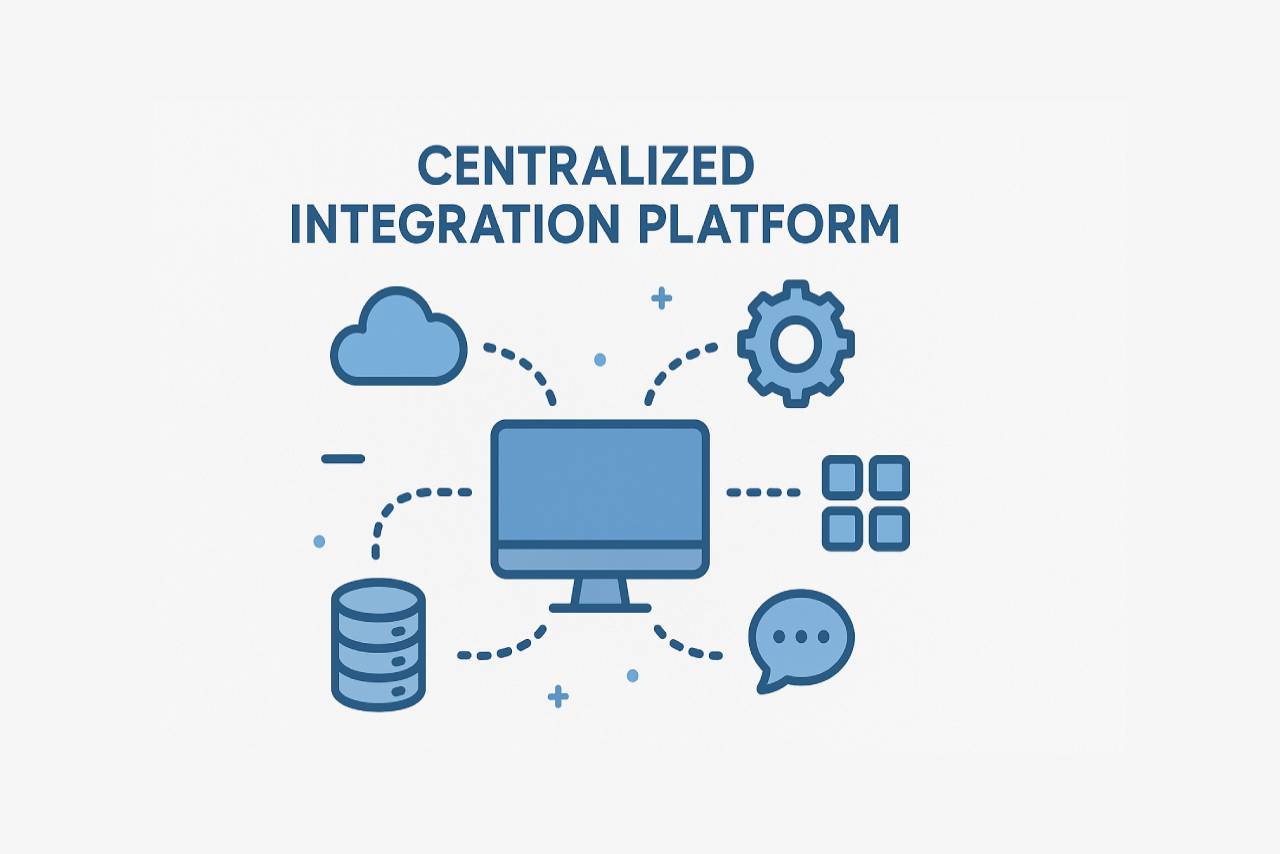
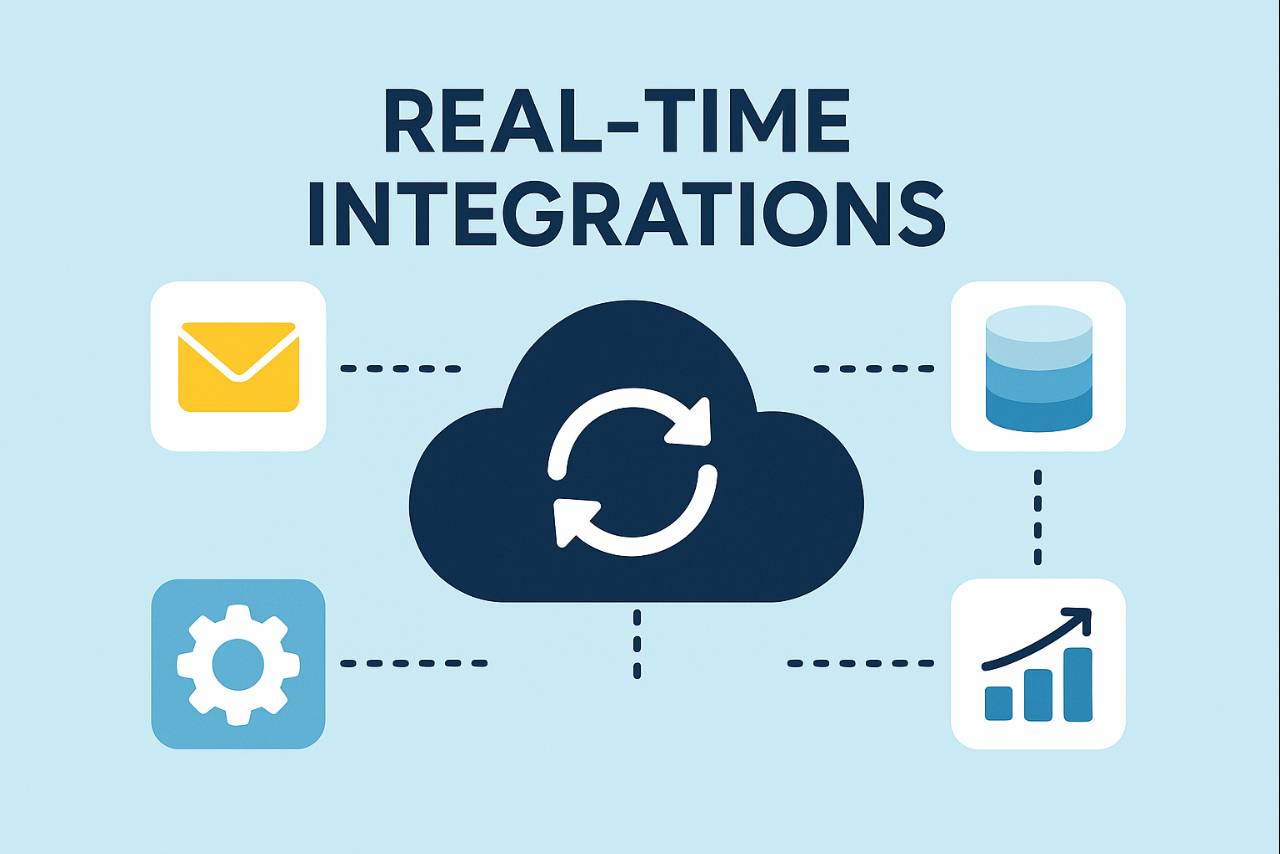
An integration platform sits at the center and handles the connections-custom APIs, secure data movement, real-time syncing, and automated workflows. The result is a unified operational environment where systems share the same truth.
In day-to-day terms, a healthy ecosystem does three things. First, it keeps your core systems aligned in real time, so sales, labor, inventory, and accounting agree. Second, it replaces repetitive exports and re-entry with automation, so managers can manage people, not spreadsheets. Third, it gives leaders live visibility, so decisions happen during service-not days later.
In day-to-day terms, a healthy ecosystem does three things. First, it keeps your core systems aligned in real time, so sales, labor, inventory, and accounting agree. Second, it replaces repetitive exports and re-entry with automation, so managers can manage people, not spreadsheets. Third, it gives leaders live visibility, so decisions happen during service-not days later.
Where Any Connector fits
Any Connector is designed to be that integration backbone. Instead of forcing operators to manage point-to-point connections, it centralizes the logic-connecting the tools you already rely on, keeping data consistent, and automating the workflows that otherwise drain manager time.
Most importantly, an integration backbone helps you shift from applications to outcomes- smoother shifts, cleaner books, faster closes, better inventory control, and a guest experience that feels effortless because your systems are finally in sync.
Most importantly, an integration backbone helps you shift from applications to outcomes- smoother shifts, cleaner books, faster closes, better inventory control, and a guest experience that feels effortless because your systems are finally in sync.
Call to action
If your tech stack feels busy but not connected, start by mapping the workflows that break most often-menu changes, labor-to-payroll, and sales-to-accounting-and connect those first. That's where ecosystem momentum builds fastest.
Want to see what an ecosystem approach looks like in your environment? Explore Any Connector resources
Want to see what an ecosystem approach looks like in your environment? Explore Any Connector resources
Recommended
integrated-platforms

integrated-platforms
Automation in Hospitality- Transforming Guest Experiences and

integrated-platforms

integrated-platforms

integrated-platforms

integrated-platforms

integrated-platforms
integrated-platforms

integrated-platforms
integrated-platforms
integrated-platforms
integrated-platforms

integrated-platforms
integrated-platforms

integrated-platforms

integrated-platforms
integrated-platforms
integrated-platforms
integrated-platforms
integrated-platforms
integrated-platforms
integrated-platforms
integrated-platforms
How Integration Platforms Are Revolutionizing Business Technology
integrated-platforms
integrated-platforms
integrated-platforms
integrated-platforms
integrated-platforms
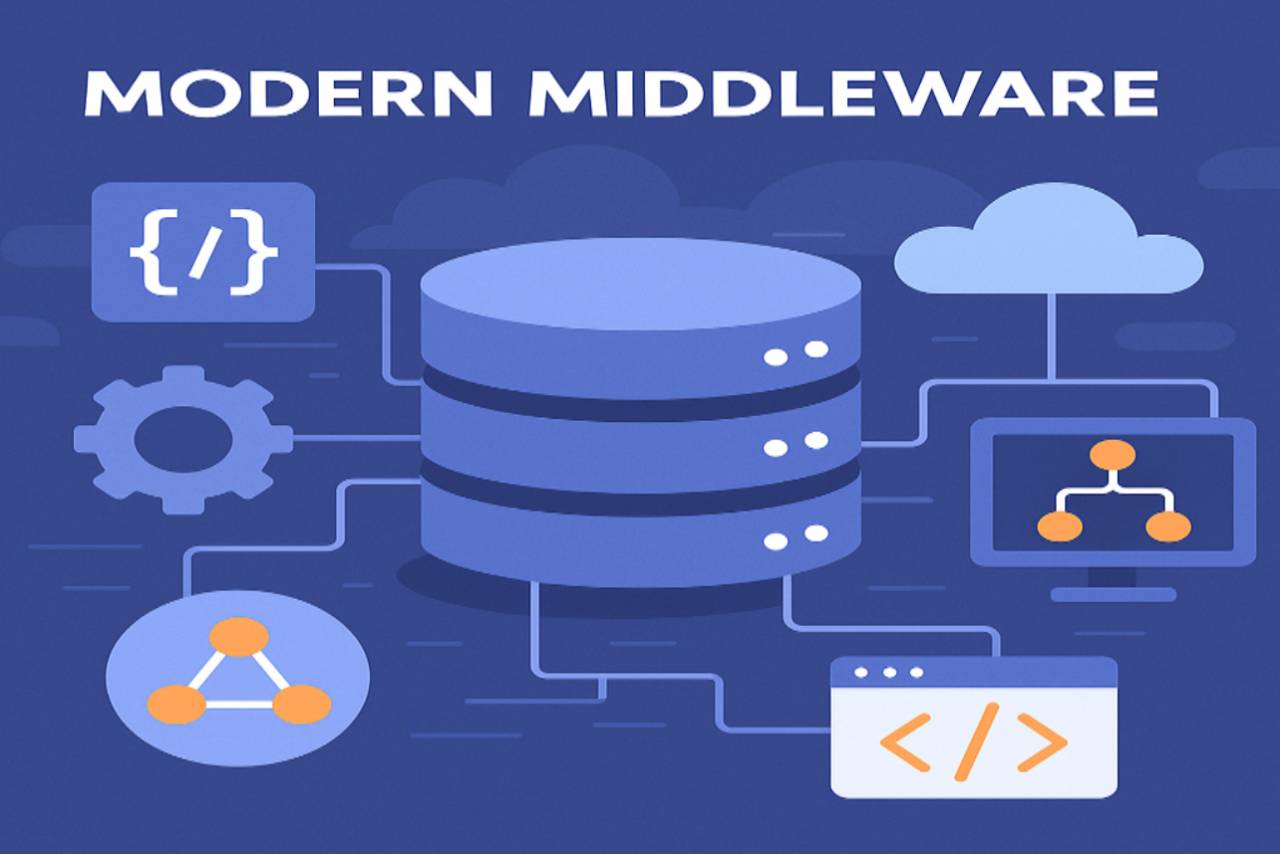
Overcoming API Documentation Challenges- How Middleware Bridges
integrated-platforms
integrated-platforms
integrated-platforms
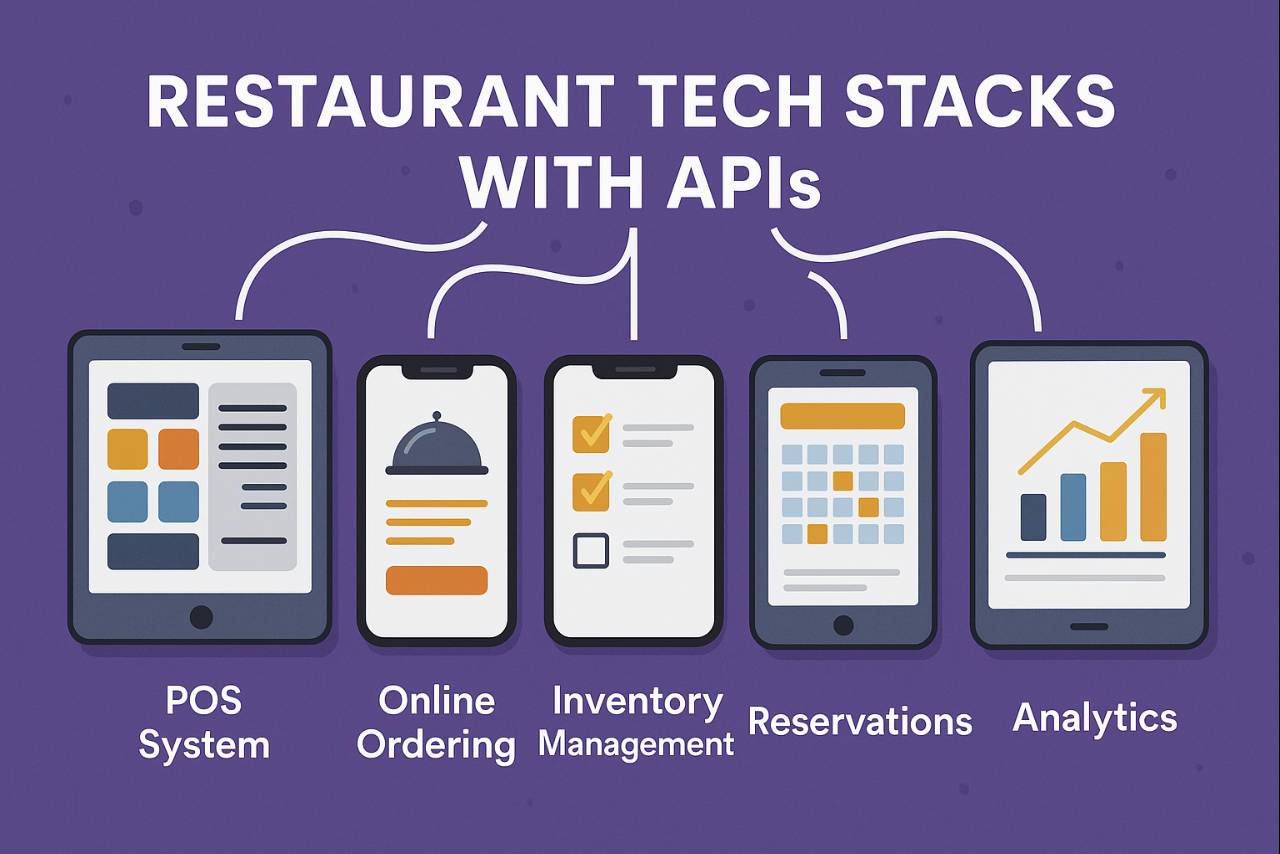
Composable Architecture- Building Modular Restaurant Tech Stacks
integrated-platforms
integrated-platforms
Low-Code/No-Code API Integration for Non-Tech Restaurant Teams

integrated-platforms
integrated-platforms
integrated-platforms
integrated-platforms
integrated-platforms
integrated-platforms
integrated-platforms
integrated-platforms
integrated-platforms
integrated-platforms
integrated-platforms
integrated-platforms

integrated-platforms
integrated-platforms
integrated-platforms
integrated-platforms
integrated-platforms
integrated-platforms
integrated-platforms
integrated-platforms

integrated-platforms

integrated-platforms
integrated-platforms
integrated-platforms
integrated-platforms
integrated-platforms
integrated-platforms
integrated-platforms
integrated-platforms
integrated-platforms
integrated-platforms
integrated-platforms
integrated-platforms
integrated-platforms
From Point-to-Point to Platform-Led Integrations- Why Growing
integrated-platforms
integrated-platforms