Ghost kitchens promise efficiency - one kitchen, many brands, limitless reach.
But behind the scenes? Multiple menus, delivery apps, and POS systems fighting for control.
The result- chaos in the multiple systems.
In this blog, we'll explore-
But behind the scenes? Multiple menus, delivery apps, and POS systems fighting for control.
The result- chaos in the multiple systems.
In this blog, we'll explore-
- Why ghost kitchens struggle with identity and data chaos
- How fragmented tech slows operations and brand growth
- The power of a unified integration platform
- What to look for when building a multi-brand tech stack
- A quick checklist to get started
1. The Hidden Problem- One Kitchen, Ten Systems
Ghost kitchens thrive on flexibility, but that same flexibility can be their downfall.
Each brand runs on its own setup-
Each brand runs on its own setup-
- Different POS systems for different menus
- Separate dashboards for delivery apps
- Siloed loyalty, marketing, and accounting tools
- Duplicate orders and delayed updates
- Inventory chaos - stockouts in one brand, overstock in another
- Unclear performance metrics - which brand drives profit?
- Manual reconciliation nightmares across platforms
2. The Cost of Fragmentation
Let's put numbers behind the problem.
When one ghost kitchen runs 10 brands with 10 systems, every data delay adds friction.
Disjointed systems lead to-
When one ghost kitchen runs 10 brands with 10 systems, every data delay adds friction.
Disjointed systems lead to-
- Lost sales when orders don't sync across apps
- Inefficient staffing - no clear visibility into multi-brand demand
- Inconsistent reporting - 10 dashboards, zero insights
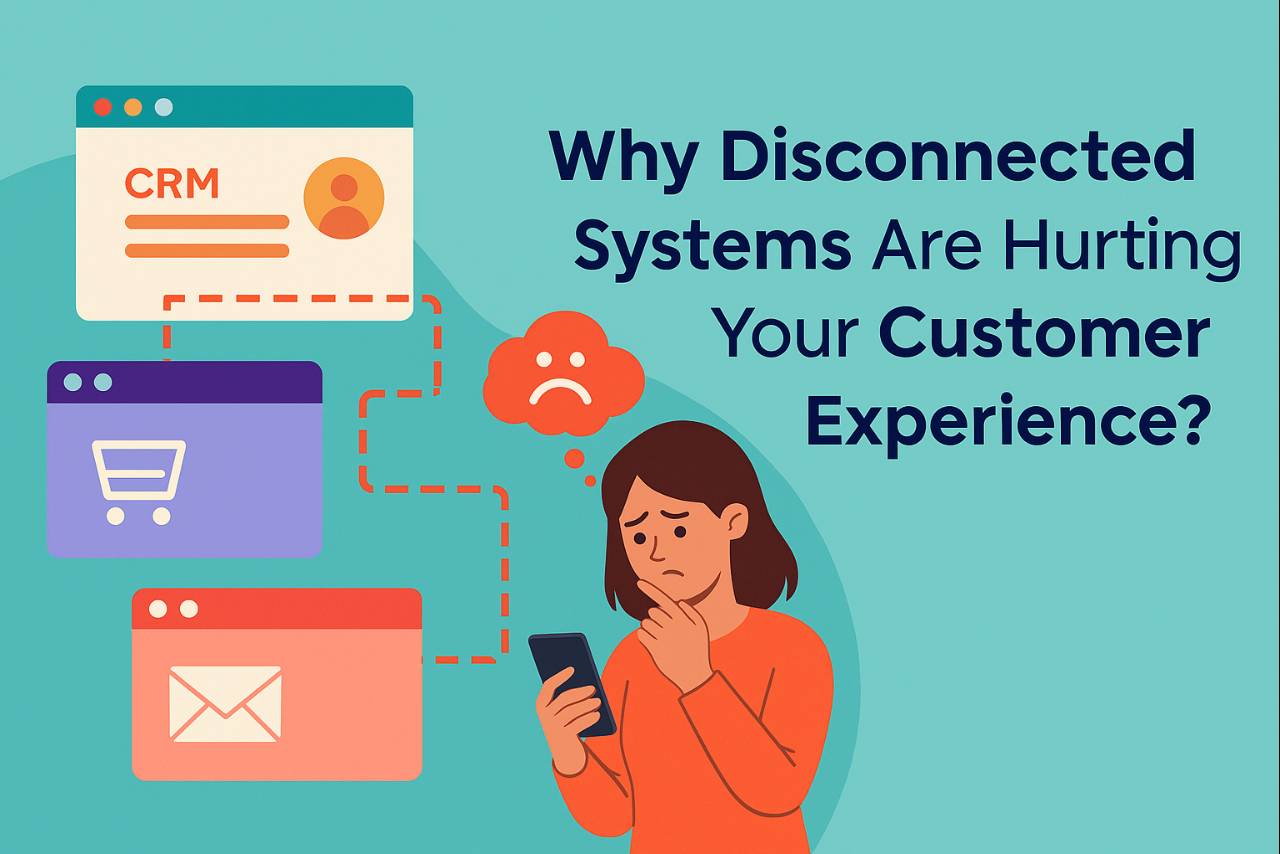
- Customer churn - loyalty programs and CRM data fail to sync
- High tech maintenance costs - managing multiple vendors and logins
3. The Solution- One Tech Stack, Many Brands
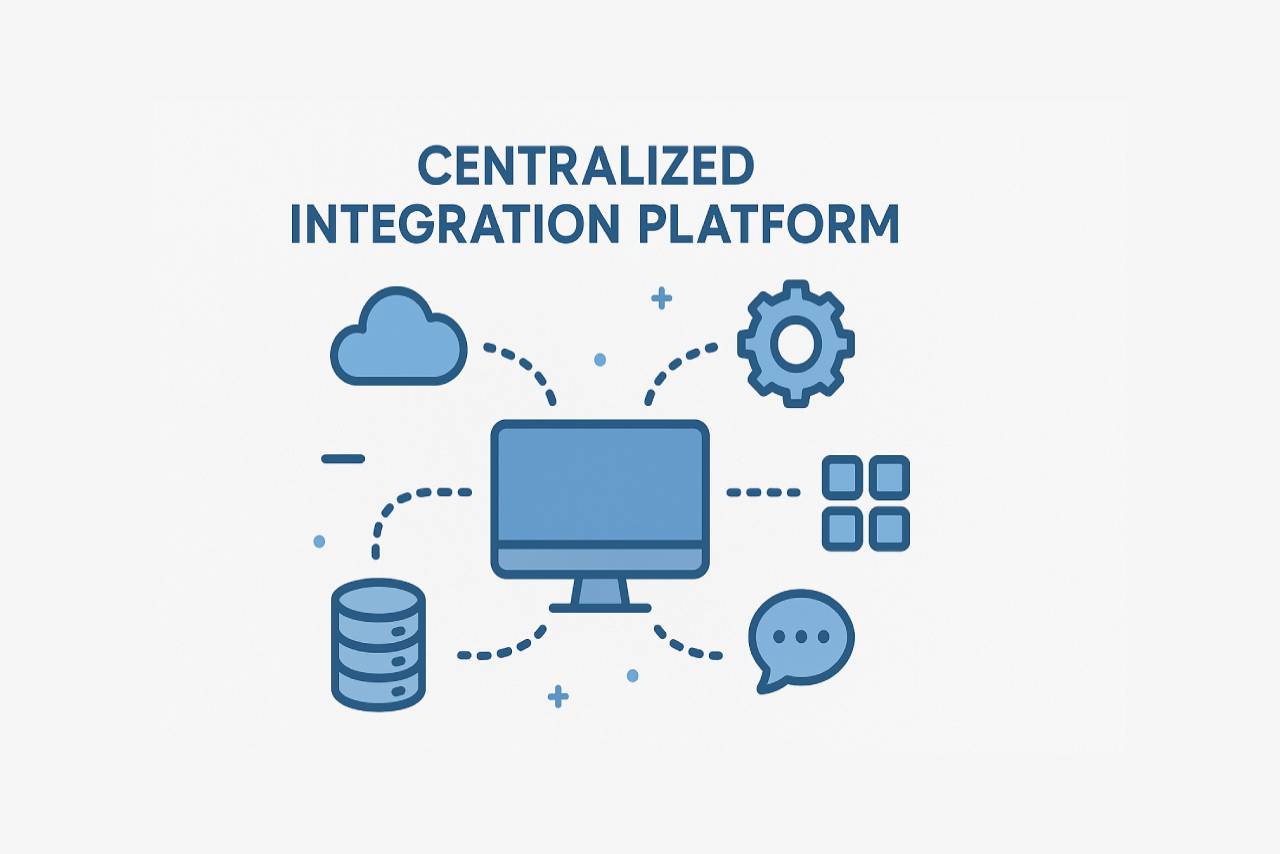
Imagine a single integration platform that connects it all i.e., one dashboard, one source of truth.
That's where Any Connector platform steps in.
Here's what a connected ghost kitchen looks like-
That's where Any Connector platform steps in.
Here's what a connected ghost kitchen looks like-
- POS integrations consolidate every brand's sale into one real-time view
- Inventory system integration tracks ingredient usage across menus
- Accounting software integration automatically maps sales to cost centers
- Third-party integration tools unify delivery partners and loyalty programs
- Scalable integration solutions allow new brands to plug in effortlessly
4. What to Look for in a Unified Ghost Kitchen Stack
Before you pick your integration platform, make sure it can handle the heat-
Must-have features-
Must-have features-
- Supports multi-brand POS and delivery integrations
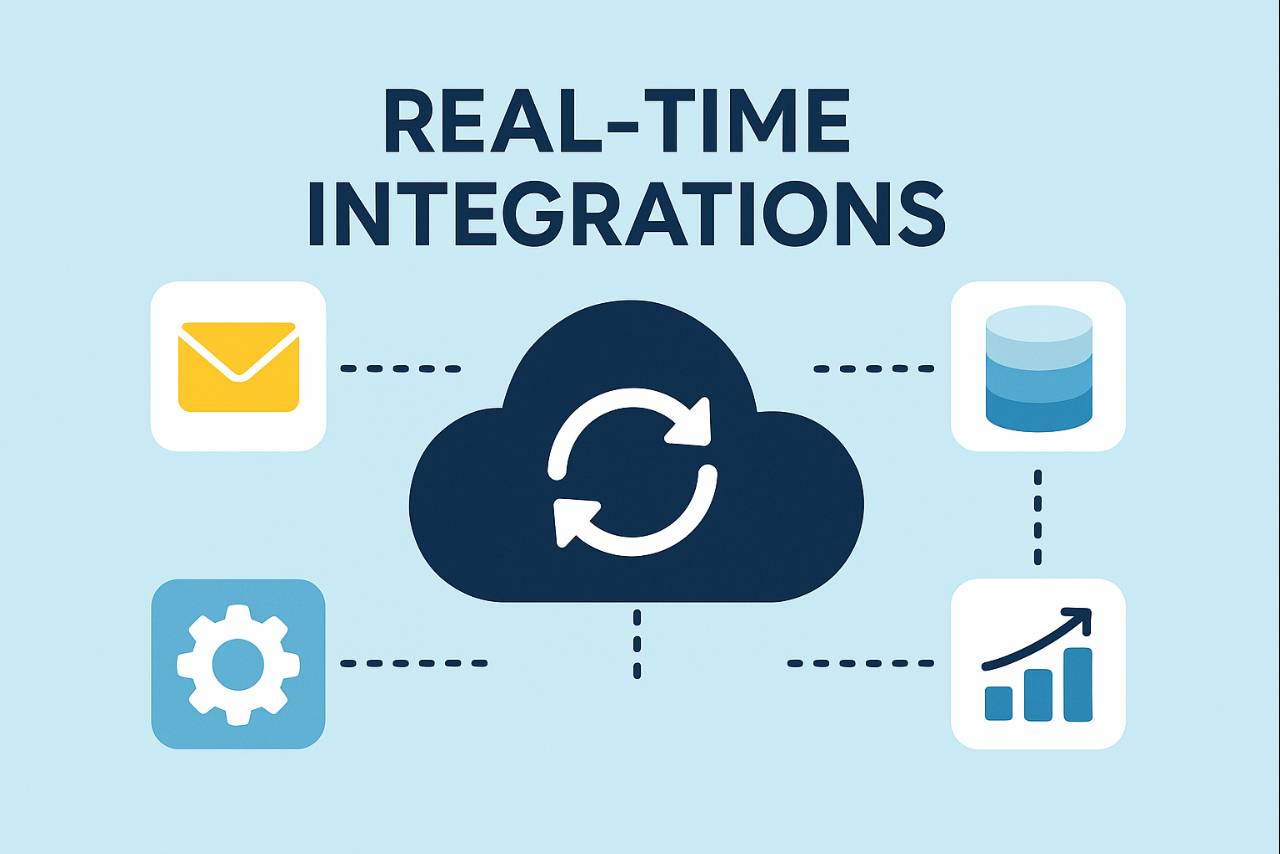
- Real-time data sync across all apps
- Unified reporting and analytics
- Scalable API infrastructure
- Secure architecture
- Flexibility for future brand expansion
- Managing each brand as a separate system
- Ignoring real-time sync between apps
- Relying on manual exports and spreadsheets
- Underestimating API compatibility
Streamline Your Inventory. Order Smartly.
Start Simplifying Your Orders with Any Connector
5. Quick Action Checklist
If your ghost kitchen runs multiple brands, here's how to get started-
When your systems run together, your kitchen stops juggling and starts scaling.
- Map your current systems (POS, delivery, CRM, inventory).
- Identify overlaps, delays, or manual data transfers.
- Choose a unified integration platform that supports real-time syncing.
- Connect every brand through custom API integrations.
- Monitor your consolidated dashboards weekly.
When your systems run together, your kitchen stops juggling and starts scaling.
Conclusion
Ghost kitchens aren't haunted by food quality; they're haunted by disconnected data.
When every brand runs on its own island of tech, identity gets lost in the noise. But when you bring all your brands under one integrated stack, data flows smoothly, orders sync instantly, and decision-making becomes effortless.
A unified platform like Any Connector turns complexity into clarity.
Because managing ten brands shouldn't feel like managing ten kitchens - just one smart, connected one.
When every brand runs on its own island of tech, identity gets lost in the noise. But when you bring all your brands under one integrated stack, data flows smoothly, orders sync instantly, and decision-making becomes effortless.
A unified platform like Any Connector turns complexity into clarity.
Because managing ten brands shouldn't feel like managing ten kitchens - just one smart, connected one.
Recommended
integrated-platforms

integrated-platforms
Automation in Hospitality- Transforming Guest Experiences and

integrated-platforms

integrated-platforms

integrated-platforms

integrated-platforms

integrated-platforms
integrated-platforms

integrated-platforms

integrated-platforms
integrated-platforms
integrated-platforms

integrated-platforms
integrated-platforms

integrated-platforms

integrated-platforms
integrated-platforms
integrated-platforms
integrated-platforms
integrated-platforms
integrated-platforms
integrated-platforms
integrated-platforms
How Integration Platforms Are Revolutionizing Business Technology

integrated-platforms
integrated-platforms
integrated-platforms
integrated-platforms
integrated-platforms
Overcoming API Documentation Challenges- How Middleware Bridges
integrated-platforms
integrated-platforms
integrated-platforms
Composable Architecture- Building Modular Restaurant Tech Stacks
integrated-platforms
integrated-platforms
Low-Code/No-Code API Integration for Non-Tech Restaurant Teams

integrated-platforms
integrated-platforms
integrated-platforms
integrated-platforms
integrated-platforms
integrated-platforms
integrated-platforms
integrated-platforms
integrated-platforms
integrated-platforms
integrated-platforms
integrated-platforms

integrated-platforms
integrated-platforms
integrated-platforms
integrated-platforms
integrated-platforms
integrated-platforms
integrated-platforms
integrated-platforms

integrated-platforms

integrated-platforms
integrated-platforms
integrated-platforms
integrated-platforms
integrated-platforms
integrated-platforms
integrated-platforms
integrated-platforms
integrated-platforms
integrated-platforms
integrated-platforms
integrated-platforms
integrated-platforms
From Point-to-Point to Platform-Led Integrations- Why Growing
integrated-platforms
integrated-platforms